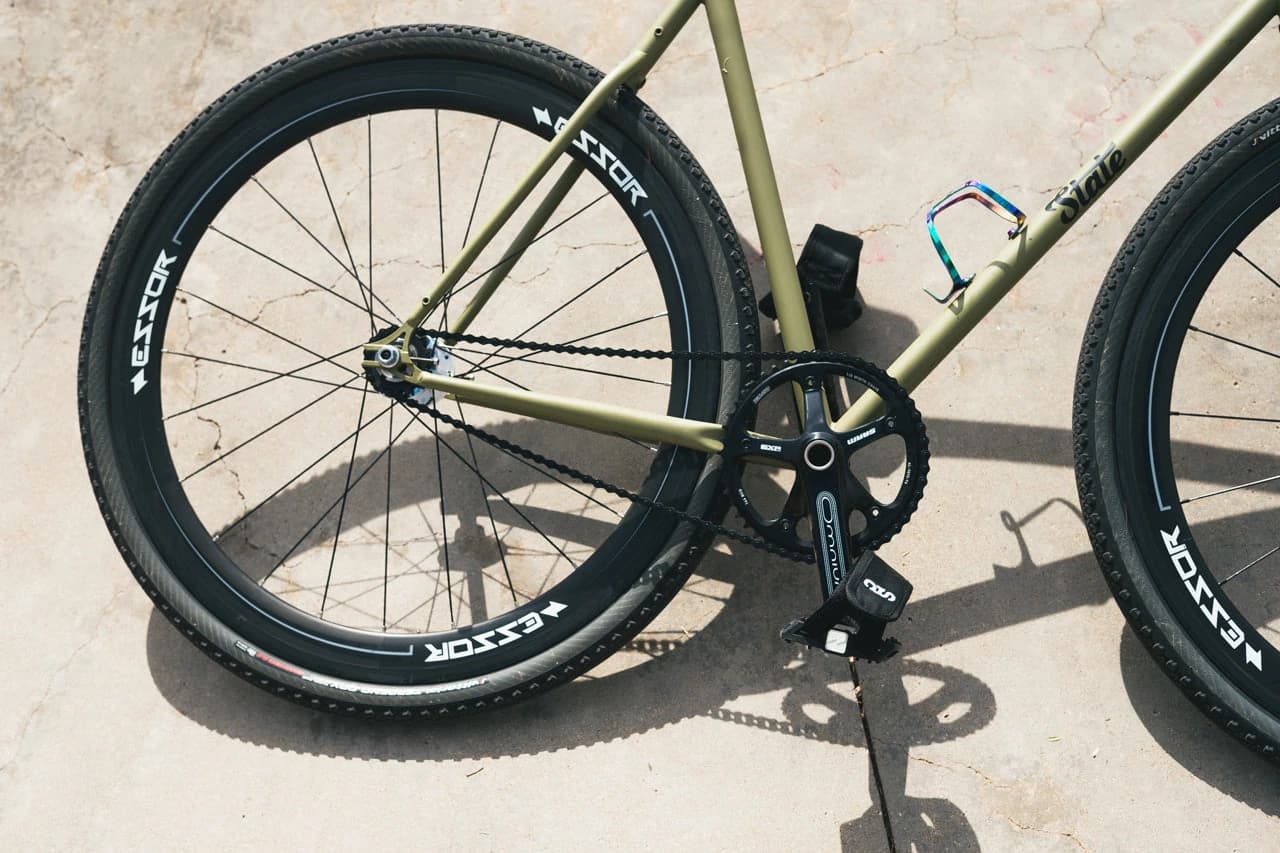
On a fixed gear, foot retention is part of bike control. It keeps a foot from bouncing off at cadence and helps the rider stay connected while resisting the pedals. It is not a replacement for a brake, and it does not make skidding a complete stopping strategy.
The right system is the one you can enter, release, maintain, and trust in the environment where you actually ride.
Quick comparison
| System | Walking | Entry | Release | Best fit |
|---|---|---|---|---|
| Platform pedals + straps | Easy in normal shoes | Moderate | Heel out or pull back, depending on setup | Street riding and flexible footwear |
| Toe clips + straps | Easy to moderate | Moderate | Pull back, then out | Traditional builds and predictable shoes |
| Clipless | Depends on shoe and cleat | Fast after practice | Twist heel outward | Long rides and riders already trained on the system |
| Platforms only | Easy | Easiest | Immediate | Learning the bike with an effective brake, not high-cadence fixed riding |
Platform pedals with straps
Wide BMX-style platforms and double straps are popular because they work with ordinary shoes and give a large, familiar contact area. For a BMX rider crossing into fixed gear, that familiarity matters.
The tradeoffs are setup and consistency. A loose strap may not retain the shoe; an overtight strap can make entry and emergency release difficult. Pedal pins also interact with the sole, so an extremely sticky shoe can release differently than expected.
Choose straps when you want:
- normal shoes off the bike;
- a broad platform underfoot;
- replaceable straps and simple service;
- easier crossover from BMX pedals.
Practice getting the second foot in without looking down for long. If traffic is moving, control matters more than forcing entry immediately.
Toe clips and straps
Traditional clips create a repeatable pocket around the toe. They can feel secure with the right shoe and correctly sized cage, but shoe shape changes the result. A bulky toe box may bind; a short clip may fail to support the foot where expected.
Check that the clip clears the ground when cornering and that the strap can release without snagging. Old leather straps and damaged buckles are not trustworthy simply because they look period-correct.
Clipless pedals
Clipless systems provide consistent retention and efficient re-entry once the movement is automatic. They also require compatible shoes, maintained cleats, and a practiced release angle.
For urban use, consider:
- whether the shoe is comfortable to walk in;
- whether the cleat becomes slippery on stairs or wet floors;
- how easily mud and debris affect engagement;
- whether the release tension can be set conservatively;
- whether you can unclip either foot under surprise load.
Do the first practice session next to a wall or railing, then in an empty lot. Do not make the first emergency release happen in traffic.
Set retention symmetrically
Whatever you choose, inspect both sides and avoid a left/right mismatch. Confirm:
- pedals are threaded into the correct crank arms and properly tightened;
- straps, cages, pins, cleats, and bolts are undamaged;
- each foot enters and releases repeatedly;
- shoes cannot pull through farther than intended;
- crank, pedal, strap, and toe clearance are safe through a full rotation.
Retest after the first rides because straps settle and cleat bolts can loosen.
Keep a real brake in the system
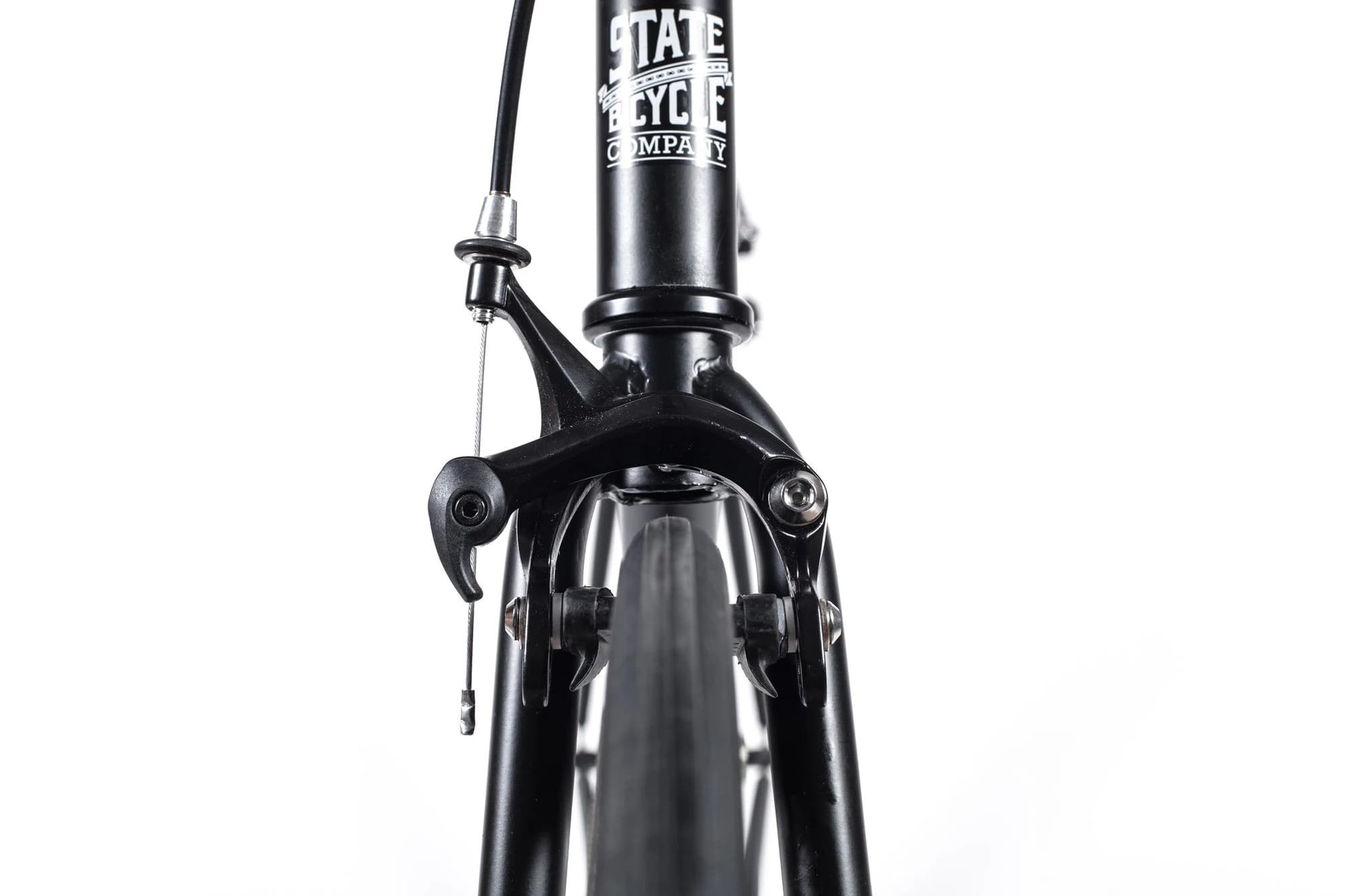
Foot retention improves connection to the drivetrain. It does not overcome wet paint, gravel, a broken chain, a loose cog, fatigue, or an obstacle that requires immediate stopping. A working front brake gives the bike an independent stopping system and provides far more braking force than the rear tire alone.
For a new build, the sensible order is brake, tires, chain and lockring integrity, then retention—not retention as permission to remove the brake.
Browse State Pedals, Straps & Fixed-Gear Parts