
8 min read
E-Bike Battery Charging & Apartment Storage Safety
A practical e-bike battery checklist for apartments: compatible chargers, supervised charging, heat and damage checks, storage, recalls, and responsible disposal.
Read guide →Gearing math, old-frame fitment, and practical build decisions from a BMX rider crossing into fixed gear. This is the workbench—not a fake story about courier miles we have not ridden yet.

The fixed-gear lane earns its place here because it connects directly to BMX bike control, durable builds, and real transportation. We will publish the measurements, compromises, and long-term results—not pretend every expensive part is automatically the right part.
Fixed-gear setup, real component standards, and city e-bike comparisons built around the way riders actually use a bike.
A practical e-bike battery checklist for apartments: compatible chargers, supervised charging, heat and damage checks, storage, recalls, and responsible disposal.
Read guide →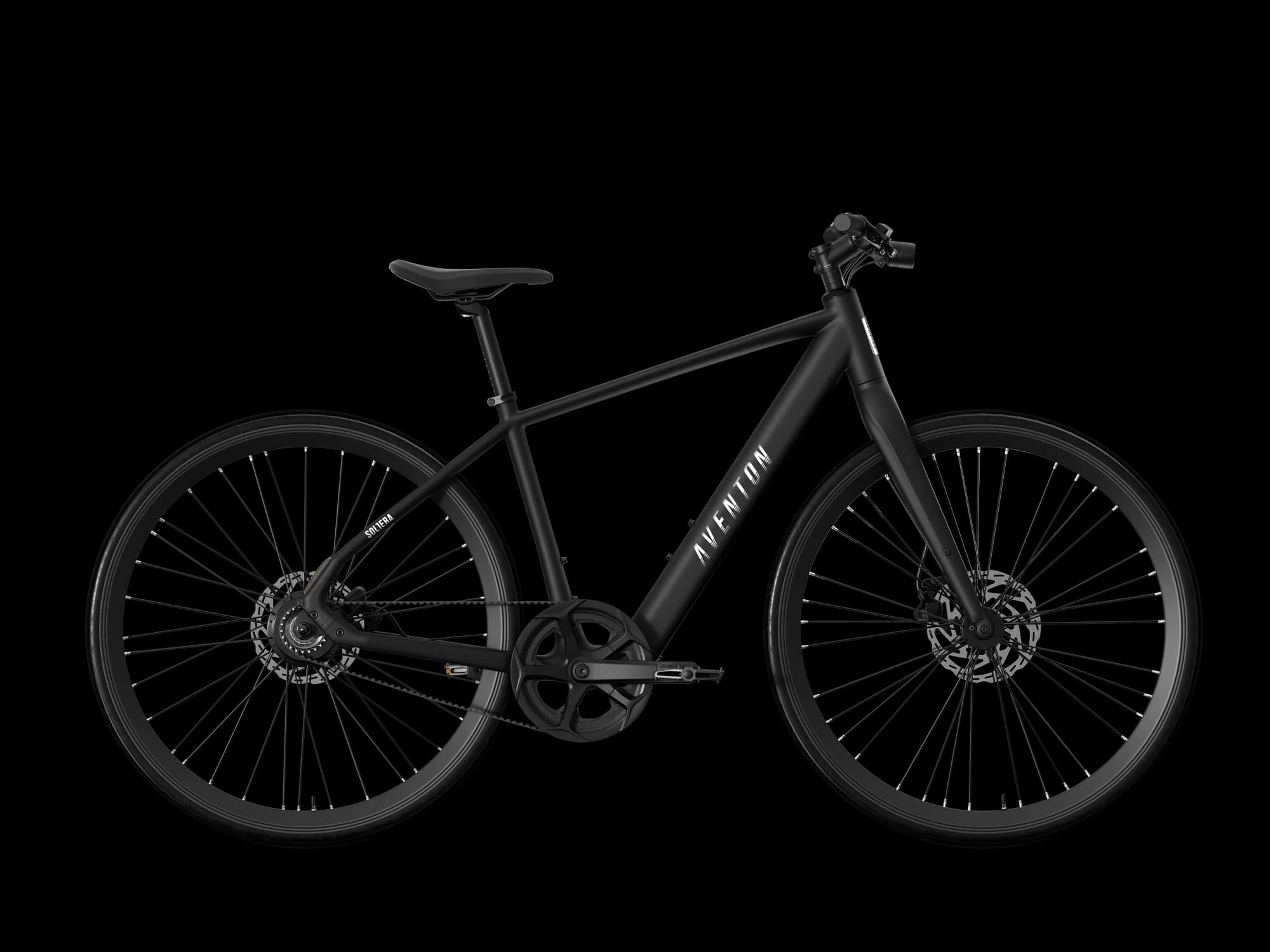
A practical city-bike comparison between the lightweight Aventon Soltera 3 ADV and a fixed gear, covering weight, maintenance, range, hills, theft, and ride feel.
Read guide →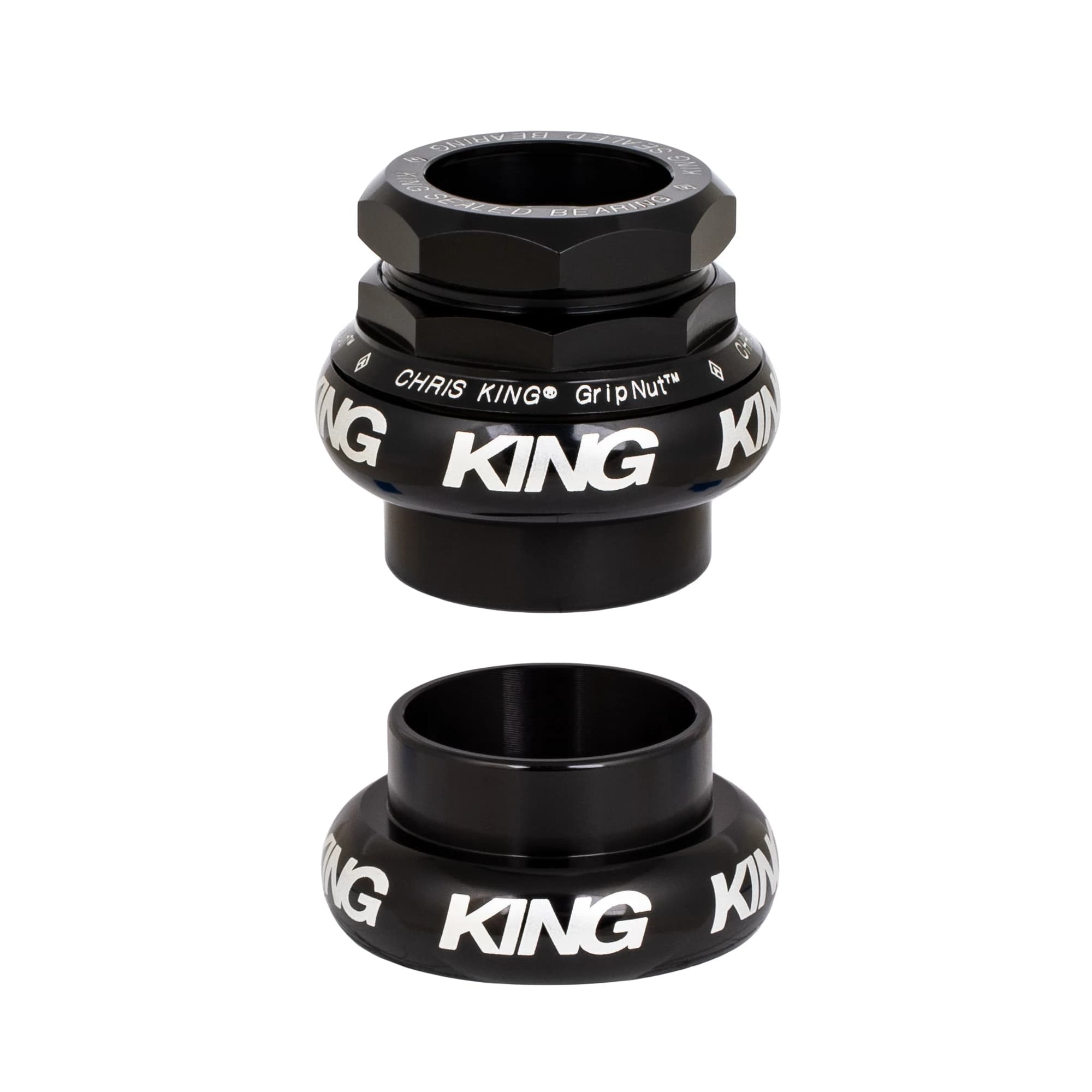
Measure before buying: a practical guide to steerer diameter, thread pitch, crown-race fit, and stack height on older fixed-gear projects.
Read guide →Affiliate links support the site at no extra cost to the buyer. Partner status never replaces fitment checks or honest criticism.
The Soltera 3 ADV is the closest current e-bike match for riders who value a simple drivetrain, low weight, and city-bike handling.
See the Soltera 3 ADV →The GripNut is relevant to threaded-fork projects, but only after steerer, head tube, crown race, thread pitch, and stack height are confirmed.
See the GripNut →