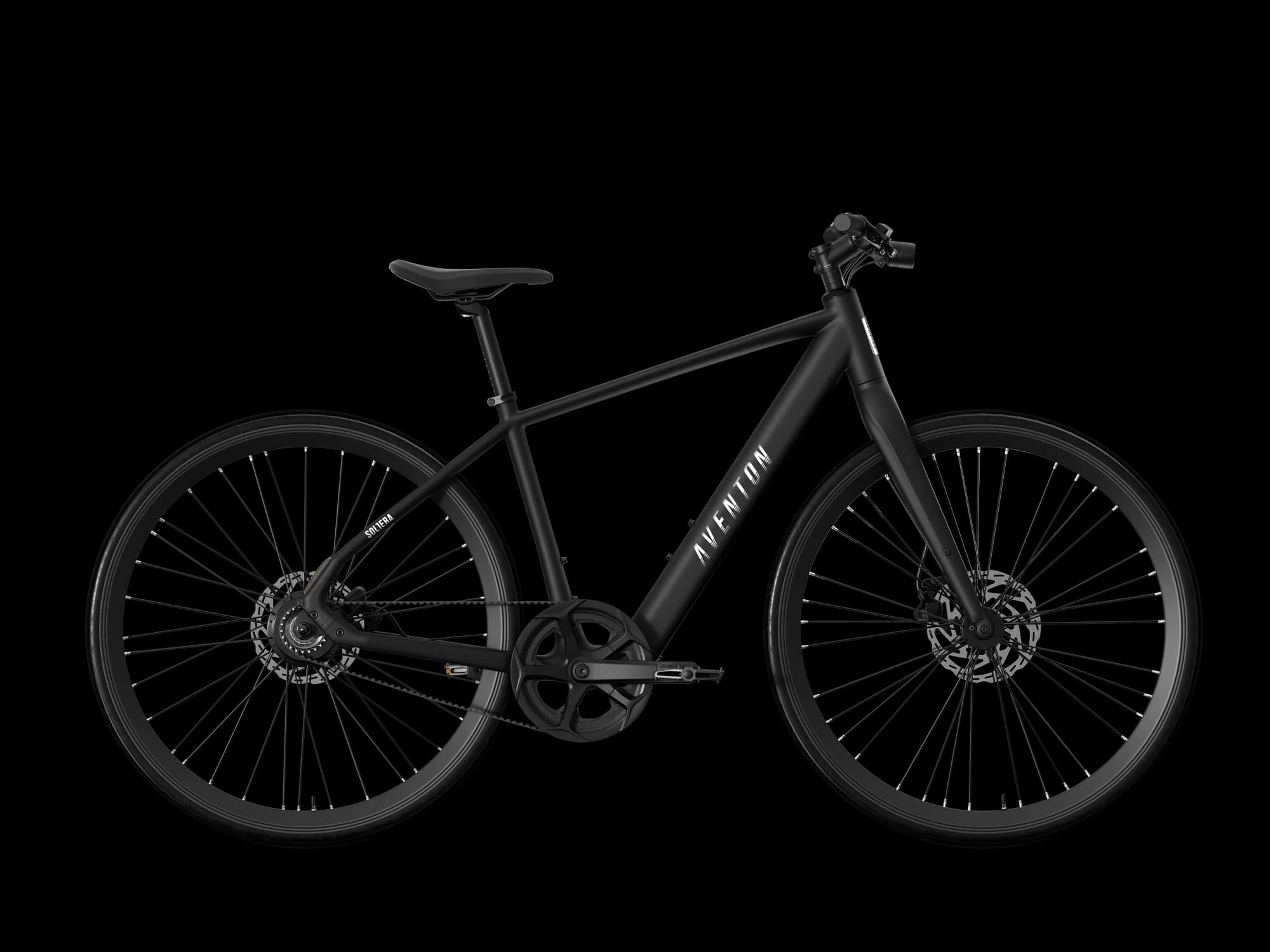
The Aventon Soltera 3 ADV is not a fixed gear. It is a Class 1 pedal-assist city e-bike with a freewheel and a single-speed Gates Carbon Drive belt. But its clean drivetrain, 700c tires, rigid fork, and reported 37-pound weight make it unusually relevant to riders who like simple urban bikes.
This is a specification-based decision guide, not a ride review. I have not put long-term miles on this bike. The goal is to identify who benefits from the motor and who is better served by the cheaper, lighter mechanical bike.
The decision in one table
| Priority | Soltera 3 ADV | Fixed gear |
|---|---|---|
| Hills and headwinds | Motor support is the clear advantage | Rider supplies every watt |
| Carrying upstairs | 37 lb is light for an e-bike, heavy beside many fixed gears | Usually easier |
| Drivetrain maintenance | Belt and single-speed layout reduce routine mess | Simple chain system, but tension and wear still matter |
| Range planning | Battery state and charging matter | Legs, food, and time set the range |
| Purchase and theft exposure | Higher replacement cost and electronics | Usually cheaper and less conspicuous |
| Direct pedal feel | Natural for an e-bike, but still assisted | Direct wheel-to-pedal connection |
| Stops and traffic | Assistance reduces repeated-start effort | Gearing determines the workload |
What Aventon currently lists
At publication, Aventon's official Soltera 3 ADV specifications list:
- Class 1 pedal assist;
- a 36V, 250W rear hub motor rated at 40 Nm;
- torque-sensor control;
- up to 70 miles of claimed range;
- a 366.8 Wh battery;
- a single-speed Gates Carbon Drive belt;
- 700x38c tires;
- Tektro hydraulic disc brakes;
- 37-pound total weight.
Range is not a promise. Rider weight, assistance level, stops, grades, weather, tire pressure, cargo, and temperature all change the result. Confirm the live specifications, included equipment, sizing, and local e-bike rules before purchase.
Check the Current Soltera 3 ADV
Why a fixed-gear rider might actually like it
The belt-drive single-speed layout removes the derailleur and multi-cog cassette that make many commuter e-bikes feel visually and mechanically busy. A torque sensor responds to pedal effort instead of acting like a simple on/off switch, which should preserve more rider input than a cadence-only system.
The appeal is not “a fixed gear with a motor.” It is a relatively light city e-bike that keeps the drivetrain simple while making hills, headwinds, loaded bags, and repeated starts less punishing.
Where the fixed gear still wins
A fixed gear remains the cleaner tool when you value:
- lower purchase and replacement cost;
- no charging routine;
- fewer proprietary electrical parts;
- lower carrying weight;
- direct control through the drivetrain;
- easy roadside diagnosis.
It can also be the better choice when theft exposure is high. An e-bike needs a serious lock strategy, secure indoor storage, and a realistic plan for battery and replacement-part support.
Belt drive is simple, not maintenance-free
A Gates belt does not need chain lubricant and avoids much of the grime of a chain drivetrain. It still needs correct alignment and tension. Damage, frame compatibility, rear-wheel removal, and replacement availability matter.
The motor, battery, display, controller, wiring, hydraulic brakes, and firmware add systems that a fixed gear does not have. That does not make the e-bike unreliable; it changes which failures can be handled with ordinary bike-shop parts.
Which one fits the commute?
Choose the Soltera 3 ADV when:
- hills or wind are keeping you from riding;
- you arrive at work with less sweat;
- the route includes constant stop-and-go acceleration;
- you can charge and store the bike securely;
- the higher cost buys transportation you will use consistently.
Choose the fixed gear when:
- the route is manageable under your own power;
- stairs, tight apartments, or transit transfers reward low weight;
- theft risk makes a costly e-bike stressful;
- mechanical simplicity is the main attraction;
- you specifically want fixed-wheel handling and cadence.
The honest bottom line
For a fit rider on a flat route, a fixed gear is hard to beat for simplicity. For a rider facing hills, heat, cargo, or a commute long enough to discourage daily riding, the Soltera 3 ADV can make the bicycle useful more often.
The best conversion is not the bike with the larger price tag. It is the bike that removes the actual reason someone would otherwise drive, use a rideshare, or stay home.